
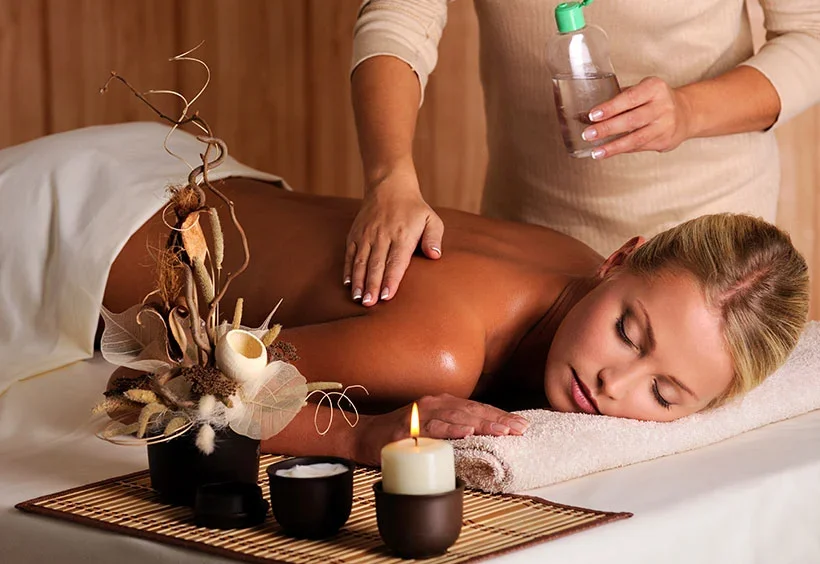
What is Oil Therapy?
Oil therapy refreshes both body and mind for enhanced well-being.
Oil therapy, also known as oil massage or oil treatment, is a holistic practice that utilizes natural oils to promote relaxation, relieve tension, and nourish the skin. Through the application of warm oils and gentle massage techniques, oil therapy aims to soothe muscles, enhance circulation, and alleviate stress, while also providing emotional and mental relaxation. This ancient healing tradition offers a rejuvenating experience that restores balance to both body and mind, leaving you feeling refreshed and revitalized.

One of the key benefits of oil therapy is its ability to soothe sore muscles and joints, making it an effective remedy for muscular tension, stiffness, and discomfort. Additionally, the improved circulation stimulated by the massage aids in detoxification and enhances the body's natural healing processes.
Moreover, the aromatic qualities of the oils used in therapy play a significant role in enhancing the overall experience. Essential oils derived from plants and herbs not only add pleasant scents to the treatment but also possess therapeutic properties that can uplift mood, alleviate anxiety, and promote mental clarity.
How Oil Therapy works?
Oil therapy works through the combined effects of gentle massage techniques and the therapeutic properties of natural oils.
- Preparation: The therapy session begins with the selection of appropriate oils based on the individual's needs and preferences. These oils are often warmed slightly to enhance their soothing effects.
- Application: The therapist applies the warm oils to the skin using smooth, flowing strokes. The oil is spread evenly over the body, ensuring thorough coverage.
- Massage Techniques: The therapist then employs a variety of massage techniques, such as effleurage (long, gliding strokes), petrissage (kneading and lifting movements), and friction (deep, circular motions). These techniques help to relax the muscles, improve circulation, and relieve tension.
- Targeted Areas: Depending on the client's specific concerns, the therapist may focus on particular areas of the body that are experiencing pain, stiffness, or discomfort. For example, they may pay special attention to the back, shoulders, or legs.
- Aromatherapy: Throughout the session, the client inhales the aroma of the oils, which can have a profound impact on mood and emotions. Essential oils like lavender, chamomile, and peppermint are commonly used for their calming, uplifting, or invigorating properties.
- Relaxation: As the massage progresses, the client gradually enters a state of deep relaxation. The soothing touch of the oils, combined with the therapeutic massage strokes, helps to quiet the mind, reduce stress, and promote a sense of well-being.
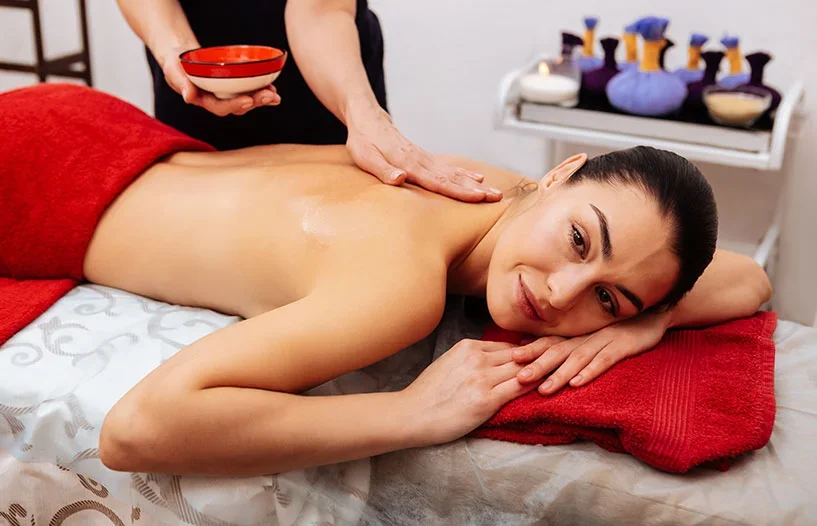
Oil Therapy
Benifits
Oil therapy, a deeply relaxing and rejuvenating practice, offers a multitude of benefits for both physical and mental well-being. Through the skilled application of natural oils and gentle massage techniques, oil therapy works wonders in easing muscle tension, promoting circulation, and relieving pain and discomfort.
Beyond its physical effects, the therapeutic touch and aromatic scents of the oils induce a profound sense of relaxation, reducing stress and anxiety while uplifting mood and promoting emotional balance. Additionally, oil therapy nourishes the skin, improving its texture and health, while also supporting the immune system and detoxification processes.